


Why multi-chain portfolio tracking finally feels sane (and how Rabby fits in)
Okay, so check this out—I've been juggling wallets for years. Wow! Managing tokens across chains used to feel like keeping receipts in ten different pockets. Medium-term memory fails and transaction histories blur. My instinct said: there has to be a better way. Initially I thought I just needed a prettier dashboard, but then I realized it's as much about simulation, transaction context, and sane defaults as it is about looks.
Here's the thing. DeFi moved fast. Really fast. And you and I both know that speed is a feature and a liability at the same time. On one hand, cross-chain liquidity and yield options are incredible. On the other hand, tracking them across L1s and L2s becomes a full-time hobby. Hmm... something felt off about relying on screenshots and manual spreadsheets. Seriously?
Let me be blunt—portfolio tracking is a UX problem plus a data problem. Data needs to be both normalized and contextualized. Short snapshots lie. They hide pending swaps, cross-chain bridges, gas dynamics, and those tiny approvals that quietly drain tokens. If you want to manage risk you need more than a static balance chart. You need transaction simulation, clear nonce management, and the ability to compare token exposure across chains in one glance. Whoa!
When I started using multi-chain wallets that emphasize simulation, the mental load dropped. Not magically. But enough that I stopped making dumb mistakes. For example, seeing a simulated failure before I signed a multi-step contract interaction saved me from losing a chunk on a rebase token swap. Initially I thought that only power users would care about simulations, but the reality is everyone benefits. Actually, wait—let me rephrase that: even casual traders notice it when they stop overpaying gas or retrying failed txs.
What good portfolio tracking actually looks like
Short answer: it combines accurate balances, enriches transactions with context, and gives you foresight. Long answer: it aggregates on-chain balances across L1s and L2s, reconciles token prices and protocols, tags protocol interactions (lending, staking, LP), and surfaces friction points like stale approvals or wrapped tokens that change exposure. My timeline is messy—very very important to admit that—but these features made the difference.
Practical features I look for:
- Normalized balances across chains so that 0.5 ETH on chain A and 0.5 ETH as wETH on chain B actually add up in exposure views.
- Transaction simulation that predicts failure, gas, and approvals so I don't sign blind—and that shows where funds would move in a multi-step contract call.
- Portfolio-level risk signals, including concentration scores and protocol health snapshots (or at least links to explore protocol risk).
- Easy management of approvals and nonces across accounts so old allowances aren't silently exploited.
- Exportable history and CSVs for tax or auditing (handy, trust me).
On that last point—taxes are boring but real. (oh, and by the way... if you ever go to file, you'll be glad you kept cleaner records.)
Where typical wallets miss the mark
Many wallets show balances and let you send. That's baseline. But they often miss two critical things: simulation and protocol-aware labeling. Without protocol-aware labels, a "transfer" could be a swap routed through multiple pools, and you might sign a permission that allows a contract to move tokens later. On paper those look similar; in practice they are not. My gut said this was the problem for years before I could articulate it.
On top of that, moving between chains is noisy. Bridges introduce wrapped tokens and synthetic representations that confuse exposure. If your tooling can't tell you that bridged USDC on chain X is actually a redeemable asset sitting in a custodial pool, then you're only half-informed. Something as simple as an "origin chain" field in a token view removes a lot of ambiguity.
Also, privacy and seed management are often afterthoughts. If a wallet offers easy hardware wallet integration and robust account isolation, that's huge. But many apps trade off security for convenience. I'm biased, but I'd rather sign an extra step than lose funds.
Why multi-chain wallets with simulation win—practically speaking
Think of simulation as rehearsal. You wouldn't rehearse a big presentation by winging it, right? Same here. Simulation tells you: this will fail, this will be expensive, or this will require an extra approval. That predictive context reduces cognitive load and, importantly, reduces repeated small mistakes that add up.
From a workflow perspective it means fewer retries, clearer approval hygiene, and faster onboarding for new strategies. For example, when moving liquidity between rollups, simulation can estimate bridging time, gas across each hop, and whether a rebase token will morph mid-transaction. That's not magic; it's just better tooling combined with thoughtful UX.
Here's another practical thing: nonces. Managing multiple pending transactions across chains is a headache. A wallet that visualizes pending txs and lets you bump or cancel with clarity saves both time and money. I had one week where I nearly bricked an arbitrage because nonces desynced across tabs—ugh, lesson learned.
Where Rabby comes into play
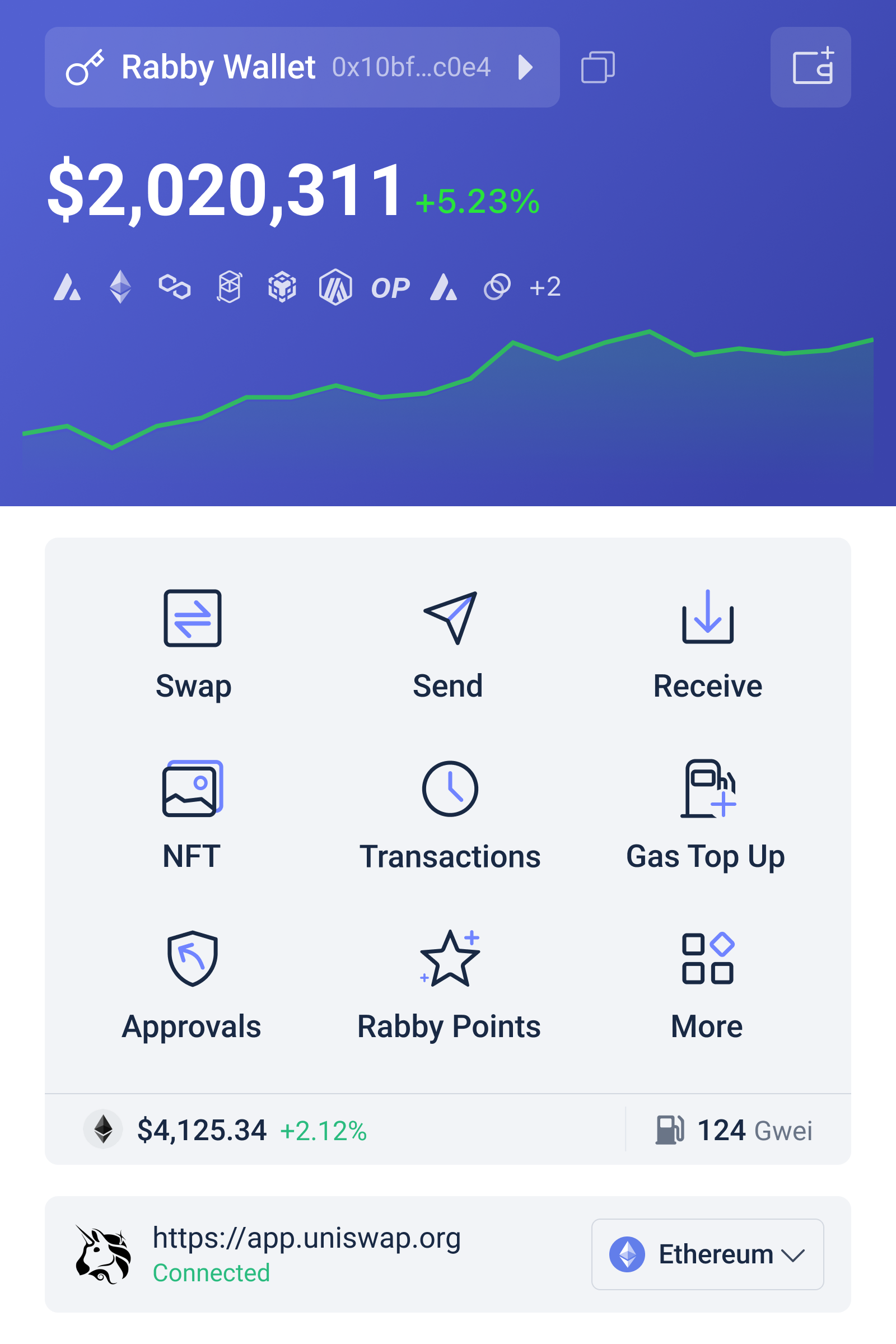
I'll be candid—I've tried a dozen wallets in the last few years. Rabby stood out for its focus on simulation, approval management, and a multi-account mindset that doesn't force you into a single "primary" account. It's not perfect, but it nails the essentials that make portfolio tracking less painful. Check this out: rabby wallet offers transaction simulation and a clear approvals interface, which directly addresses many of the issues I mentioned.
Using an integrated approach like Rabby's gave me a couple of practical wins. One: fewer accidental approvals meant less exposure to malicious contracts. Two: simulation reduced failed transaction costs across gas-heavy chains. Three: a clearer portfolio view made it easier to spot concentration risk across L2s.
I'll be honest—it's still a bit rough around some edges. The onboarding could be smoother if they offered guided walkthroughs for cross-chain accounting. But those are product polish issues, not fatal flaws. For most DeFi users who move assets across ecosystems, those simulation and approval features are the multiplier that makes portfolio tracking actually useful.
Quick workflow I recommend (my personal checklist)
1) Link hardware or create a segregated account for major strategies. 2) Aggregate balances and tag protocol interactions (lend, stake, LP). 3) Run a simulation before any multi-step tx. 4) Review and prune approvals monthly. 5) Export history quarterly. This is simple but it reduces headaches. Not rocket science, but it works.
On the nuance side: if you use wrapped or bridged assets often, keep a manual ledger of origin chains for the top five holdings. It sounds old-school, but it saves confusion when price or redemption mechanics differ. Somethin' about seeing it in black and white helps.
FAQ
Q: Do I need a separate tool for portfolio tracking if I use a multi-chain wallet?
A: Not necessarily. A good multi-chain wallet with simulation and labeling can serve both transactional and portfolio needs. That said, power users often pair a wallet with a dedicated analytics tool for advanced tax reporting or institutional-grade auditing.
Q: How often should I check approvals and why?
A: Monthly is a reasonable cadence for most people. Check approvals after interacting with new dApps or yield farms. Old allowances are a common attack vector, and pruning them reduces attack surface. I'm not 100% sure on the "perfect" frequency, but monthly works for me.
转载请注明:Why multi-chain portfolio tracking finally feels sane (and how Rabby fits in) | 芥末导航
相关文章

In recent years, cryptocurrencies have revolutionized the online gambling industry by offering enhanced security, faster transactions, and increased privacy. For players at aladdinsgold, understanding how to leverage these digital assets can significantly improve their gaming experience and streamline deposits and withdrawals. This guide provides a comprehensive overview of how to use cryptocurrency effectively at Aladdinsgold Casino, ensuring you maximize your benefits while navigating the process confidently.
Table of Contents
- Why Cryptocurrency Matters in Online Casinos
- Supported Cryptocurrencies at Aladdinsgold
- Setting Up Your Cryptocurrency Wallet
- Making a Cryptocurrency Deposit at Aladdinsgold
- Withdrawing Funds Using Cryptocurrency
- Benefits and Risks of Using Cryptocurrency
- Step-by-Step Process for Transactions
- Myths vs. Facts About Cryptocurrency Gambling
- Cryptocurrency Payment Methods Comparison
- Practical Tips for Safe and Efficient Transactions
Why Cryptocurrency Matters in Online Casinos
Cryptocurrency has become a game-changer for online gambling, with over 2,300 active cryptocurrencies in circulation worldwide. Its advantages include decentralization, reduced transaction fees, and enhanced privacy, making it highly attractive for casino players. At Aladdinsgold, cryptocurrency transactions are not only quick but also secure, with blockchain technology ensuring transparency and tamper-proof records. Additionally, cryptocurrencies can facilitate international play without currency conversion issues, broadening accessibility for global audiences.
Supported Cryptocurrencies at Aladdinsgold
Aladdinsgold accepts several popular cryptocurrencies, including:
- Bitcoin (BTC)
- Ethereum (ETH)
- Litecoin (LTC)
- Bitcoin Cash (BCH)
- Ripple (XRP)
Each cryptocurrency offers unique benefits, such as different transaction speeds and fee structures. For instance, Bitcoin transactions typically take around 10-30 minutes, whereas Litecoin and Ripple can process payments in less than 5 minutes. Understanding these differences helps players choose the most suitable option for their gaming needs.
Setting Up Your Cryptocurrency Wallet
Before engaging in transactions at Aladdinsgold, players must create a digital wallet to store and manage their cryptocurrencies. The process involves:
- Choosing a reputable wallet provider (e.g., Coinbase, MetaMask, Ledger).
- Completing the registration process with necessary identity verification.
- Securing the wallet with strong passwords and two-factor authentication.
- Funding the wallet by purchasing cryptocurrencies from exchanges or peer-to-peer platforms.
Once your wallet is funded, transferring your digital assets to the casino's wallet address is straightforward, ensuring quick and secure deposits.
Making a Cryptocurrency Deposit at Aladdinsgold
Depositing cryptocurrency at Aladdinsgold involves a few simple steps:
- Log into your casino account and navigate to the "Deposit" section.
- Select your preferred cryptocurrency from the list of accepted options.
- Generate a unique deposit address provided by the casino.
- Copy the address and initiate a transfer from your wallet, specifying the amount you wish to deposit.
- Confirm the transaction and wait for blockchain confirmation, which can range from less than a minute to 30 minutes, depending on the currency.
Typically, deposits are credited instantly once confirmed, allowing you to start gaming immediately.
Withdrawing Funds Using Cryptocurrency
Withdrawing winnings via cryptocurrency offers similar ease:
- Access the "Withdrawal" section in your account.
- Select your preferred cryptocurrency for payout.
- Enter your wallet address and the amount to withdraw.
- Review the transaction details and confirm.
- The withdrawal process generally takes 24 hours, but can be faster depending on network congestion.
It's crucial to double-check wallet addresses to prevent loss of funds, as blockchain transactions are irreversible.
Benefits and Risks of Using Cryptocurrency
| Benefits | Risks |
|---|---|
| Faster Transactions | Price Volatility |
| Higher Privacy | Limited Consumer Protections |
| Lower Fees | Potential for Loss if Wallet is Compromised |
| Global Accessibility | Regulatory Uncertainty |
While cryptocurrencies provide significant advantages, players should remain cautious of market fluctuations and ensure secure handling of their digital assets.
Step-by-Step Process for Cryptocurrency Transactions at Aladdinsgold
Deposits
- Log into your account and select "Deposit."
- Choose your preferred cryptocurrency.
- Copy the deposit address provided.
- Initiate the transfer from your wallet, entering the correct amount.
- Wait for blockchain confirmation; funds will reflect in your account shortly after.
Withdrawals
- Go to the "Withdraw" section.
- Select your cryptocurrency and input your wallet address.
- Enter the amount to withdraw.
- Confirm the transaction details and authorize the transfer.
- Receive your funds in your wallet within 24 hours.
Myths vs. Facts About Cryptocurrency Gambling
| Myth | Fact |
|---|---|
| Cryptocurrency gambling is illegal everywhere. | Legal status varies by jurisdiction; many countries regulate but do not prohibit it. |
| Cryptocurrencies are anonymous and untraceable. | Transactions are pseudonymous; blockchain records are transparent but identities are protected. |
| Using cryptocurrency guarantees winnings. | Gambling outcomes are based on luck; cryptocurrencies simply facilitate transactions. |
| Cryptocurrency transactions are instant and free. | While faster and cheaper than traditional methods, network congestion can cause delays and fees. |
Cryptocurrency Payment Methods Comparison
| Feature | Bitcoin (BTC) | Ethereum (ETH) | Litecoin (LTC) | Ripple (XRP) |
|---|---|---|---|---|
| Average Transaction Time | 10-30 mins | 5-15 mins | 2-5 mins | 3-5 secs |
| Transaction Fees | $2-$5 | $1-$3 | $0.1-$0.5 | Very low (~$0.0001) |
| Market Volatility | High | High | Moderate | Low |
| Use Case | Mainstream store of value | Smart contracts and DeFi | Fast transactions and lower fees | International transfers |
Practical Tips for Safe and Efficient Transactions
- Always verify the wallet address before confirming a transfer.
- Use reputable wallets and exchanges to avoid scams.
- Keep your private keys secure and never share them.
- Monitor blockchain network status to avoid delays during peak times.
- Set transaction limits to manage risk effectively.
- Stay informed about cryptocurrency regulations in your jurisdiction.
- Take advantage of casino promotions that reward crypto deposits.
By following these guidelines, you can enhance your gaming experience while maintaining optimal security and efficiency when using cryptocurrencies at Aladdinsgold.